8 Signs Your Teeth Are Shifting: Causes, Prevention and Treatment

Dr. Emrah YEŞİLYURT
Dr. Emrah Yeşilyurt is the Founder of Avangart Clinic. He combines advanced dental expertise with a genuine commitment to helping patients feel comfortable and informed about their oral health journey.
If you have looked in the mirror and thought, “Are my teeth shifting,” you are not overreacting. Teeth are not fixed like tiles in concrete. They are supported by bone, gum tissue, and periodontal ligaments, which means they can move over time at any age.
For many adults, the first clue is not a dramatic change. It may be a retainer that suddenly feels tight, food getting stuck in places it did not before, or a bite that feels slightly off when chewing. Such early changes are easy to ignore, especially when the teeth are moving slowly.
This can occur after braces, from grinding or clenching, after losing teeth, or simply as part of teeth shifting with age. Often, the first signs are subtle, such as a feeling of pressure, mild sensitivity, or a small gap or overlap that wasn’t there before.
The good news is that early treatment is usually simpler than people expect. Modern options such as clear aligners, retainers, and night guards can often stop shifting teeth before the problem gets more serious.
- Disclaimer: This article is for general educational purposes only and is not a substitute for professional dental advice, diagnosis, or treatment. If you have pain, bleeding gums, loose teeth, or concerns about changes in your bite or tooth position, please speak to a qualified dentist or orthodontist.
How to Tell if Your Teeth Are Moving: 7 Early Warning Signs
If you are asking, can you feel your teeth shifting? The answer is often yes, but not in a sudden or dramatic way. Early changes are usually noticed as pressure, a change in bite, a retainer that no longer fits the same way, or small daily annoyances that were not there before.
1. Your Retainer Feels Uncomfortably Tight
A retainer should feel snug, but it should not suddenly feel painful or no longer fit the way it used to. If an old Essix retainer or even a night guard used to fit well and now leaves pressure spots or lifts away from the teeth, it may be a sign that your teeth have started to shift.
This is one of the clearest early signs after orthodontic treatment. Many adults notice it before they see any visible change in the mirror.
2. Flossing Feels Different, or Food Starts Getting Stuck
Teeth that move apart can create tiny new spaces where food catches more easily. Teeth that move closer together can do the opposite, making floss harder to use or leaving one area feeling tighter than it used to.
Patients often notice this at dinner before they notice anything cosmetic. Food starting to get stuck between two teeth is not always a sign of decay, but it can be a sign that the way those teeth meet has changed.
3. You Notice New Gaps or Crowding in the Mirror
One of the most common visual signs is a small gap that was not there before or mild crowding that makes the teeth look less even. The lower front teeth are especially prone to this over time, because age-related movement and jaw changes often show up there first.
A person may not suddenly develop severe misalignment, but slight overlap, rotation, or more obviously crooked teeth can be the first visible clue.
4. Your Bite Feels Different When You Chew
Sometimes there is little or no visible change, but your bite still feels different. You may notice that one tooth touches first, your back teeth do not come together as evenly as they used to, or chewing feels less comfortable on one side.
This kind of change can point to developing malocclusion. It is often one of the earliest signs that teeth are shifting, even before the change becomes obvious in photos.
5. You Keep Biting Your Cheek or Tongue
When teeth move even slightly, the way they guide the jaw can change. That can make you bite the inside of your cheek more often, catch the edge of your tongue when chewing, or notice that certain words feel less comfortable to pronounce.
Patients sometimes describe this as feeling like their teeth are “in the way.” It is a small symptom, but it can be a very useful early clue.
6. You Develop Unexplained Jaw Pain or Tension Headaches
Jaw soreness, morning tension, temple headaches, or facial fatigue can sometimes happen alongside bite changes, especially if you also clench or grind your teeth. Signs such as tooth wear, jaw tightness on waking, or pressure in the face can all point to extra strain on the teeth and surrounding muscles.
Bruxism can make these symptoms worse over time, and it may also make the bite feel less comfortable or stable. If these problems keep happening, it is worth having your teeth, bite, and jaw checked properly.
7. Your Gums Bleed, or a Tooth Feels Slightly Mobile
Patients sometimes ask, “Can shifting teeth cause bleeding gums.” More often, the connection works the other way around: bleeding gums can be a sign of gum inflammation or periodontal disease, and that loss of support can make teeth more likely to move.
If you notice bleeding while brushing, gum recession, or loose or shifting teeth, do not ignore it. When the periodontal ligaments and alveolar bone are affected, the problem is no longer only cosmetic.
Why Do Teeth Shift As We Get Older? (Common Causes)
Most people do not notice their teeth moving all at once. It is usually something small at first. A front tooth starts overlapping a little, a gap looks different, or the bite just feels off.
- Not wearing retainers after braces: This is a common reason teeth begin to shift again. Many adults do not realise how quickly this can happen, especially when retainers are worn every now and then or forgotten for long periods.
- Natural movement over time: Teeth do tend to edge forward as the years pass. As that happens, the lower front teeth often become crowded first because there is less room for even small changes in position.
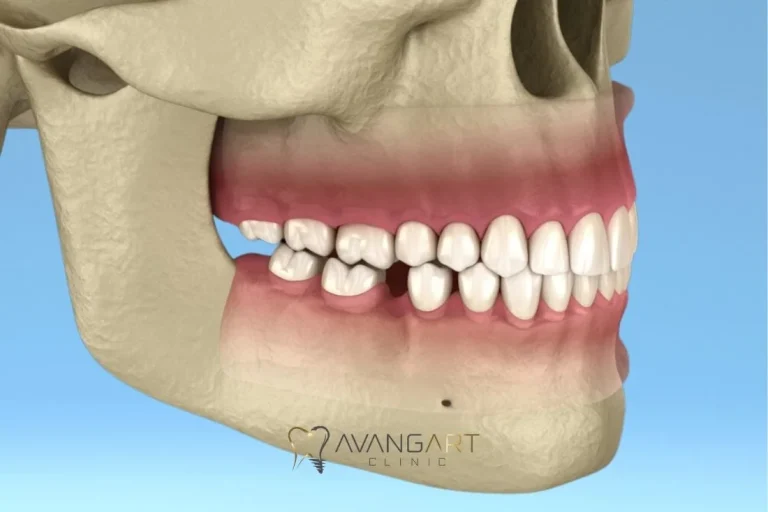
- A missing tooth: When one tooth is no longer there, the nearby teeth often start leaning into the empty space. The tooth opposite can move too because it has lost the contact that used to keep it in place.
- Gum disease: Healthy gums and a strong bone structure around them are required to keep teeth stable. As that support weakens, teeth may begin to gradually loosen or shift out of place.
- Grinding and clenching: A lot of people do this without realizing it, especially during sleep. Over time, the constant pressure can wear away the teeth, and the bite gradually goes out of whack.
Can Shifting Teeth Cause Serious Oral Health Problems?
It can, yes. Once teeth start moving, little problems can build quietly. A tooth that turns or overlaps is harder to clean well, so plaque builds up more easily, and cavities can start in spots you do not notice.
A bite that no longer comes together evenly can put more pressure on certain teeth, which may cause them to wear down faster than others. Some people first notice this as sensitivity, rough edges, or a feeling of uneven pressure when they chew.
If the gums are already unhealthy, the problem can become harder to manage. Teeth may keep shifting, feel less secure, and become more difficult to clean properly.
How to Stop and Reverse Shifting Teeth
The right treatment depends on what is causing the movement. Some people only need to stop further change. Others need to guide the teeth back into a healthier position. Here are some effective early-stage teeth shifting solutions:
Wearing a Custom Retainer or Night Guard
If your teeth have only moved a little, a custom retainer may be enough to hold them where they are and stop more change. This is often a good option after braces or aligners, especially when the bite still feels mostly stable.
A night guard can reduce the pressure from grinding and clenching that keeps pushing the bite off course.
Clear Aligners for Orthodontic Relapse
For adults who want to correct mild to moderate relapse without going back to metal braces, clear aligners are often the most comfortable option. They are discreet, removable, and designed to move teeth in small, controlled steps.
If the shifting is linked to old orthodontic relapse, this is often the most appealing next step.
Dental Implants for Missing Teeth
When movement starts after tooth loss, the gap needs support. Filling the gap in teeth with a dental implant helps stop nearby teeth from drifting into the empty space.
It also helps protect the bite over time. In these cases, straightening alone is usually not enough unless the missing tooth is also replaced.
FAQs
A small amount of temporary movement can happen as you chew, bite, or clench. That is different from real shifting. If your bite feels different, your retainer feels tighter, or you notice new spacing or crowding over time, it is worth having it checked.
They can add pressure in some people’s mouths, but they are not usually the only reason front teeth start crowding. In adults, this is more often linked to ageing, natural forward drift, and tooth grinding.
Sometimes faster than people expect. For some, the first changes show up within a few weeks. For others, it takes months. The earliest clue is often not a dramatic visual change, but a retainer that feels tight or does not fit like it used to.
Realign Your Smile with Confidence at Avangart Dental Clinic
If something feels off, it is worth checking now rather than putting it off. The longer the shifting continues, the more difficult it can be to correct. What starts as a small change can lead to more crowding, more bite imbalance, and bigger treatment later on.
At Avangart Dental Clinic, we can examine your bite, take a digital scan, and show you exactly what is happening. If clear aligners or braces in Turkey are the right fit, we can talk you through the process and help you understand what kind of result you can expect.
Call +90 542 146 82 11 or email contact@avangartclinic.com to book your visit.
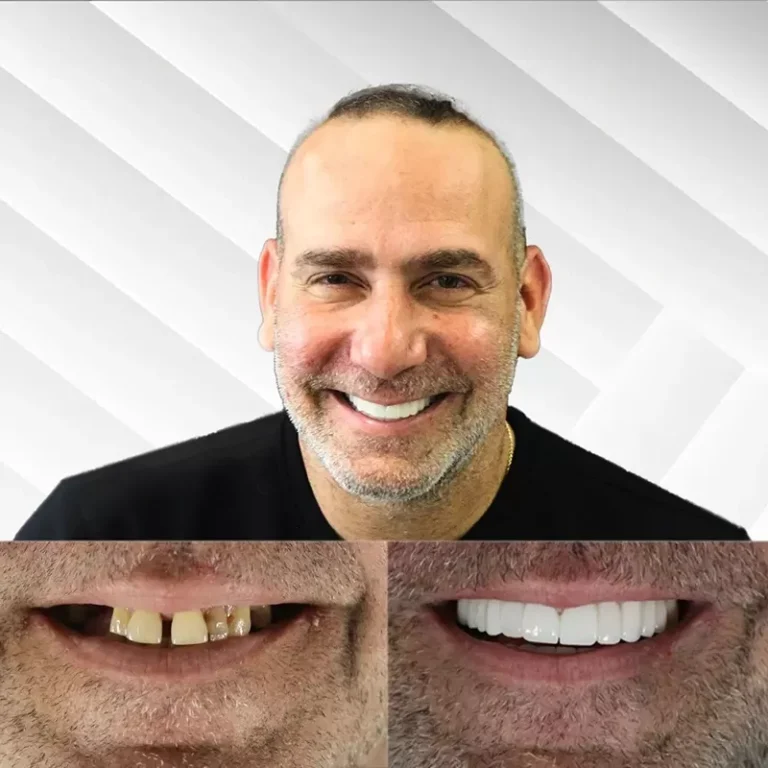
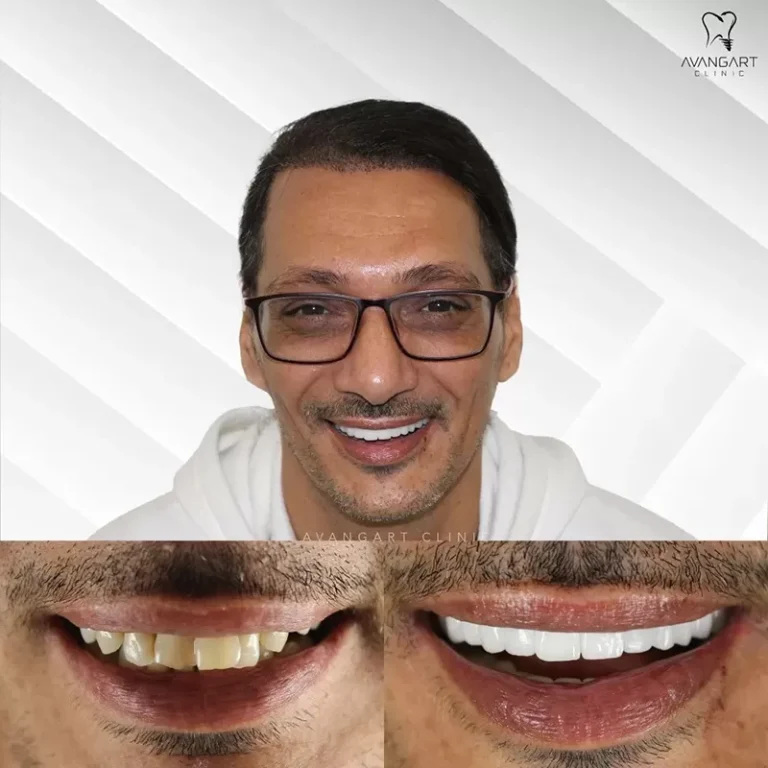
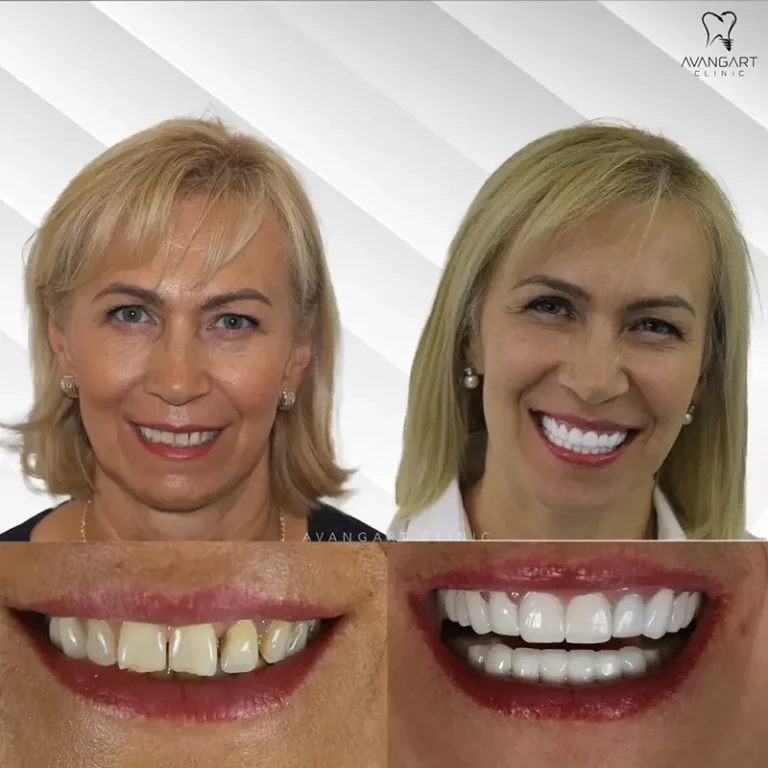
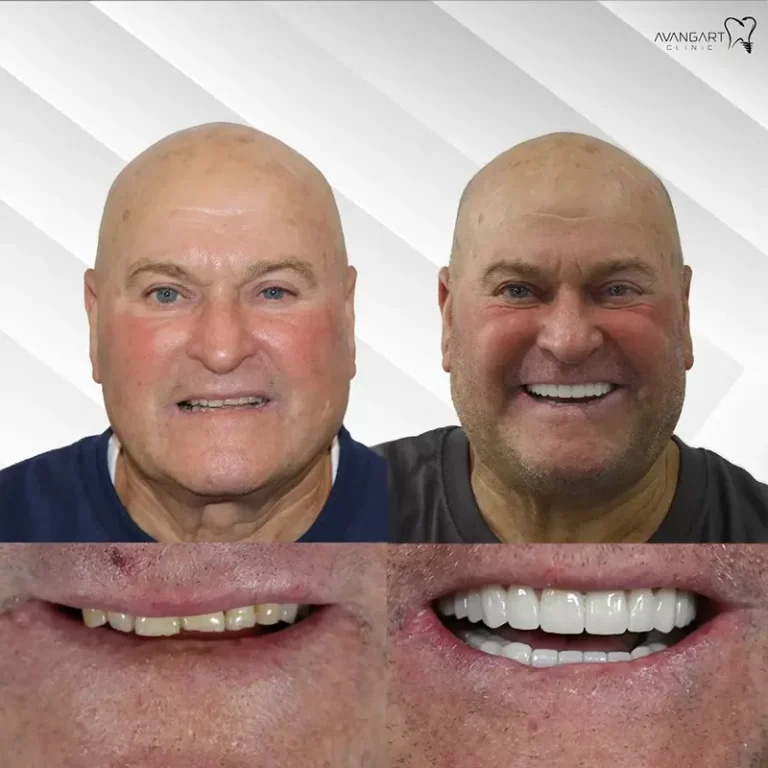
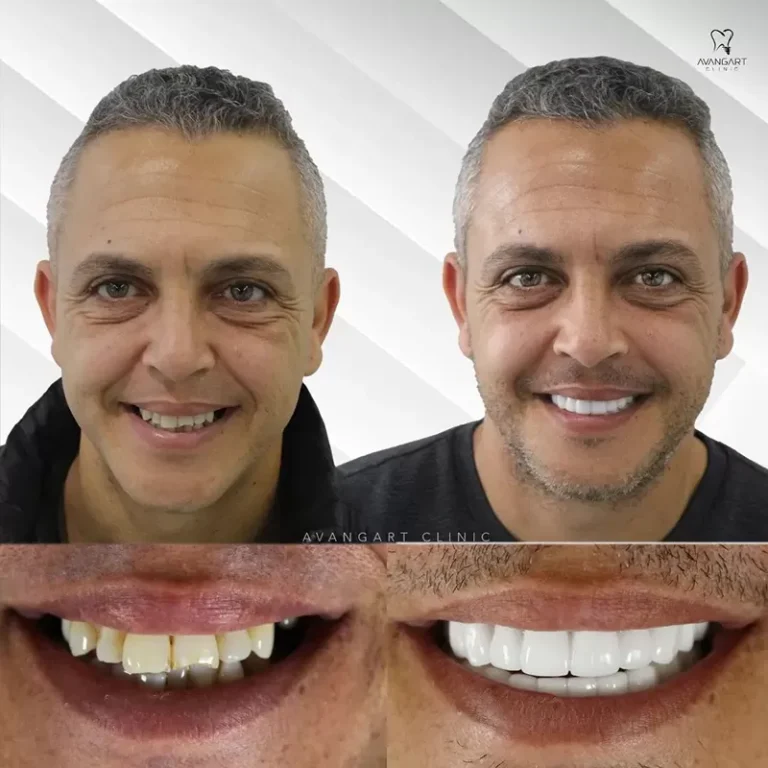
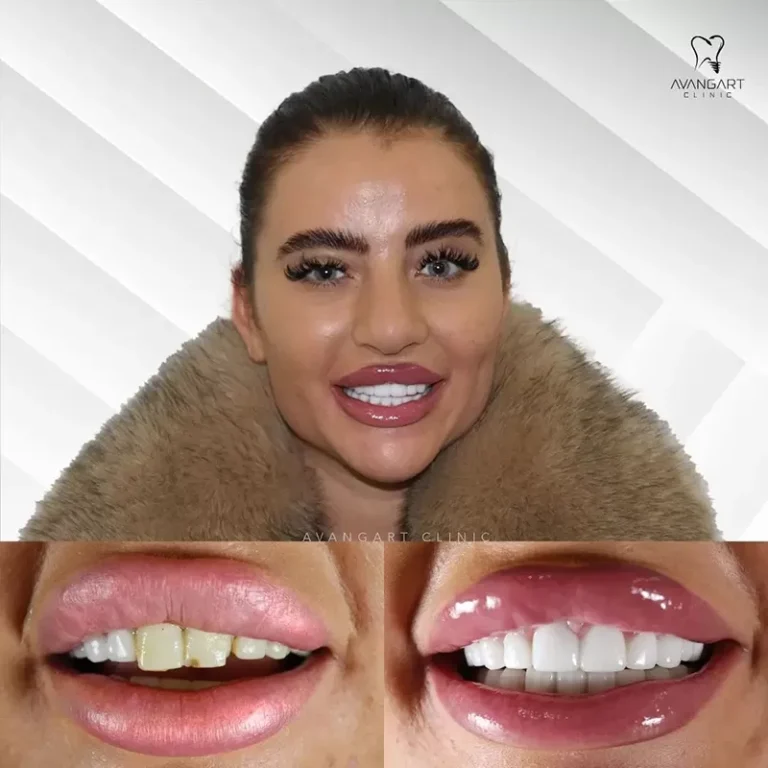
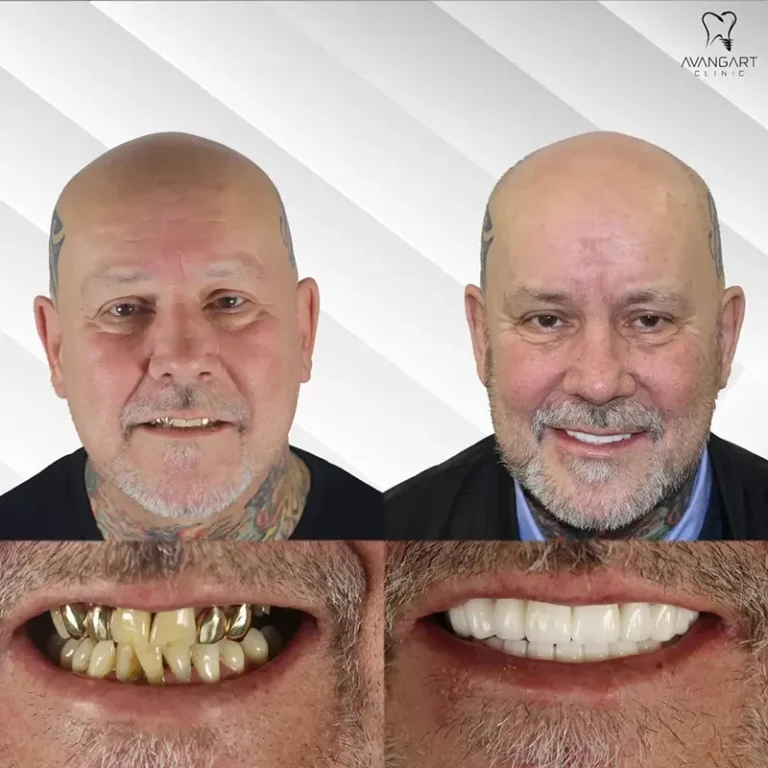
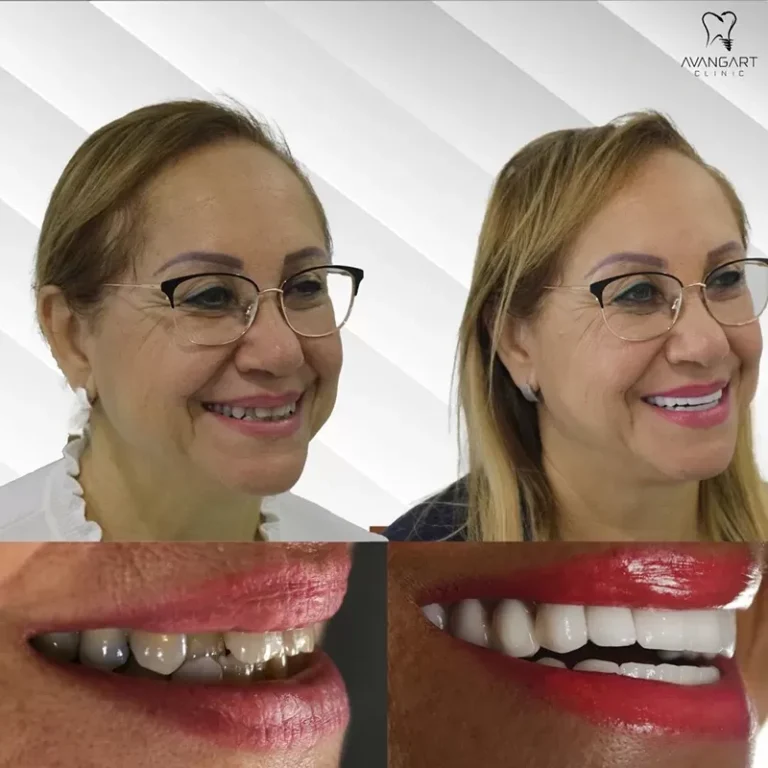
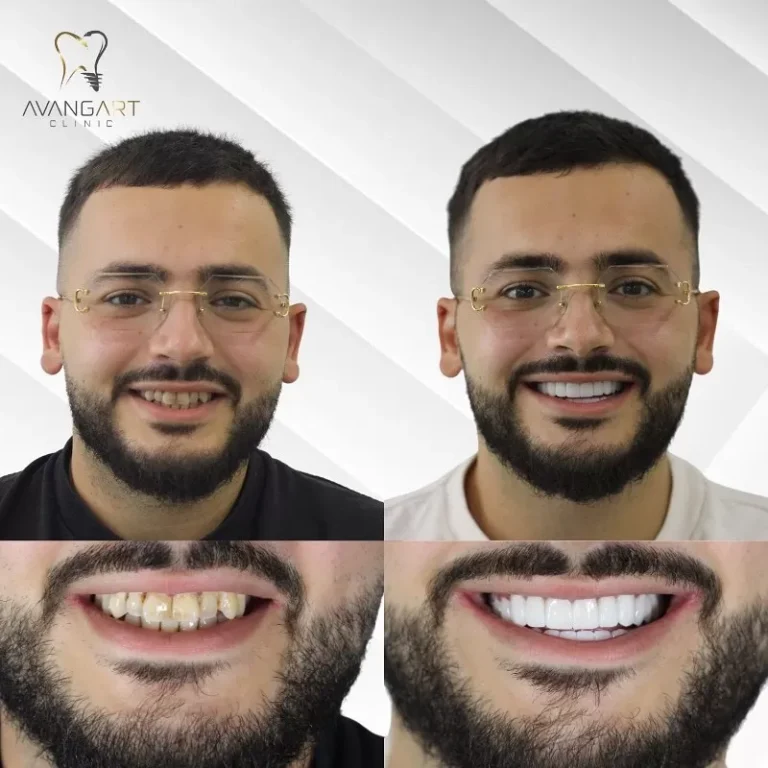
Before and After: Transformative Results with Avangart Clinic
We carry out all our dental treatments with care and strive to give your smile an elegant appearance.