The 7-Day Turkey Dental Trip: A Daily Timeline for Full-Arch Implants
Dr. Emrah YEŞİLYURT
Dr. Emrah Yeşilyurt is the Founder of Avangart Clinic. He combines advanced dental expertise with a genuine commitment to helping patients feel comfortable and informed about their oral health journey.
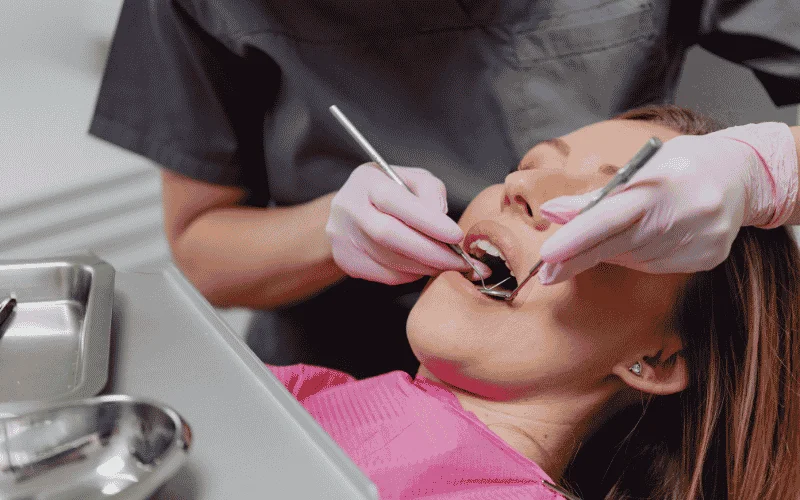
A typical seven-day trip to Turkey for full-arch implants includes arrival and rest on Day 1, scans and treatment planning on Day 2, surgery and temporary teeth on Day 3, recovery on Days 4 and 5, and final checks before flying home on Days 6 and 7.
Travelling to Istanbul for full-arch dental implants can feel exciting, but it can also bring a lot of questions. You may be wondering what happens each day, how you will feel after surgery, and whether one week is really enough.
This seven-day itinerary covers Phase 1 of our two-trip treatment process in Turkey. During this initial visit, we complete your advanced diagnostic scans, finalise the surgical plan, place the implants, and securely fit your fixed provisional teeth. You will return after the healing period to receive your final, permanent teeth.
Your healing continues after you return home. The implants usually need several months to bond with the jawbone before you come back for your permanent teeth.
| Day | What to Expect |
|---|---|
| Day 1 | Arrival, VIP transfer and hotel rest |
| Day 2 | 3D scans, examination and final treatment planning |
| Day 3 | Full-arch implant surgery and temporary teeth |
| Days 4–5 | Hotel recovery and support from the clinic |
| Day 6 | Healing check, bite adjustment and aftercare review |
| Day 7 | Final travel check, documents and airport transfer |
This plan works for many patients, but every case is different. If you need a sinus lift, extensive bone grafting, or another complex procedure, you may need to stay longer.
Why Might a Full-Arch Implant Trip Take Up to 7 Days?
Full-arch implant treatment can involve several steps, including tooth extractions, implant placement, and the fitting of a fixed temporary bridge.
Trying to complete all of this in two or three days leaves very little time to see how your mouth responds. It also gives the dentist less time to check swelling, bleeding, healing, and the way your temporary teeth meet when you bite.
The first 48 to 72 hours after surgery matter most. Mild bleeding should begin to settle, a stabilizing blood clot forms over the surgical sites, and swelling often becomes more noticeable during this period.
Keeping you in Istanbul allows the clinical team to:
- Check the gums and surgical areas
- Look for signs of unusual bleeding, inflammation, or infection
- Make sure that the temporary bridge is secure
- Adjust the bite if any area feels uneven or puts too much pressure on the temporary bridge
- Review your medication, cleaning, and diet instructions
Some clinics advertise very short treatment trips, but major implant surgery should not feel rushed. A full week gives the team time to plan carefully, carry out the treatment properly, and check your early recovery before you leave Turkey.
Before booking, many patients ask, “how safe is implant treatment in Turkey?” Safety depends on factors such as the surgeon’s experience, sterilisation standards, diagnostic planning, and the aftercare available during and after your stay.
You can also learn more about our internationally affiliated dental institutions and professional organisations as part of your research.
Why Can’t I Fly In for the Weekend?
Air travel shortly after invasive oral surgery exposes you to atmospheric pressure fluctuations within the aircraft cabin. These rapid shifts can disrupt stabilizing blood clots, worsen post-operative swelling, or trigger localized pain (barodontalgia) at your surgical sites.
You should wait at least 72 hours after an extraction or implant placement. Around one week is often preferred after more extensive dental work, although the final decision depends on the procedure and how well you are healing.
A seven-day stay also gives swelling time to reach its peak and begin settling before your flight home.
If you need a sinus lift, the waiting period may be longer. Some patients are advised not to fly for at least two weeks, so this needs to be discussed during treatment planning.
Day 1: Arrival in Istanbul, VIP Transfer, and Rest
Your first day is kept easy.
Once you arrive at Istanbul Airport, your Avangart patient coordinator will confirm your arrival and arrange your VIP transfer to the hotel.
You will not have any dental treatment on Day 1. The aim is to give you time to settle in, rest after the flight, and start your treatment feeling calm and rested.
During the evening, it is helpful to:
- Drink plenty of water
- Eat normally unless you have been told to fast
- Avoid too much alcohol
- Prepare your medication list and medical records
- Contact your coordinator if anything is unclear
A quiet first day may seem simple, but it makes the next day’s consultation much easier.
Day 2: Comprehensive 3D Diagnostics and Final Consultation
Day 2 is your first full appointment at the clinic.
Any quote or treatment suggestion given before you travel is based on the information available at the time. The final plan can only be confirmed after the team examines your mouth and reviews new scans.
During this appointment, you can expect:
- A CBCT scan or 3D tomography. This gives the surgeon a detailed view of your jawbone, bone density, and nearby structures.
- A panoramic X-ray and oral examination. The team checks your teeth, roots, gums, bite, and any signs of infection.
- A medical-history review. Tell the dental team about any health conditions, allergies, previous surgeries, smoking habits, and medicines you take, especially blood thinners or diabetes medication.
- Blood tests, if needed. These may be requested depending on your health and the planned procedure.
- A consultation with the surgical and restorative team. The team will explain how many implants you may need, your anaesthesia options, the type of temporary teeth that will be fitted, and whether bone grafting is necessary. They will also help you understand which full-arch approach may suit your case. You can read our comparison of All-on-4, All-on-6, and All-on-8 implants or learn more about when All-on-6 dental implants may be recommended.
- Digital impressions or scans. These are used to make your temporary restoration.
The scan data will be stored as DICOM files, which allow the surgeon to study your jaw from different angles. This helps the team choose the safest implant position, length, and width.
You will also receive the final plan for your dental implant treatment and a confirmed quotation. If the in-person findings are different from the original estimate, the team will explain what has changed before anything is carried out.
Before travelling, you can review dental treatment prices in Turkey to understand how the procedure, materials, and complexity of your case may affect the overall cost. Patients travelling from the United States may also want to check whether they can use HSA/FSA for dental treatment in Turkey before making payment arrangements.
Day 3: The Surgery and Immediate Loading
Day 3 is when your surgery takes place.
Before getting started, the team will sit down with you, go over the plan once more, and check that nothing has changed with your health or medication. You will also have a chance to ask anything that is still on your mind.
Local anaesthetic will numb the area, so you should not feel pain during the procedure. You may still notice some pressure, movement or vibration. If you feel nervous, or if the treatment is likely to take a little longer, sedation may be available to help you stay calm.
You should never feel sharp pain. If anything feels wrong or uncomfortable, let the dentist know straight away.
What Happens During the Procedure?
Depending on your treatment plan, the surgeon may:
- Remove damaged or failing teeth.
- Clean infected tissue
- Prepare the implant sites.
- Place four or more titanium implants.
- Add bone-grafting material where needed.
- Close the gums with dissolvable or non-dissolving stitches.
- Fit a temporary acrylic bridge.
One arch often takes around two to four hours. Treatment may take longer if you need difficult extractions, bone grafting, or surgery on both arches.
Will I Leave the Clinic Without Teeth?
In many suitable cases, no.
If the implants are stable enough, the team can fit fixed temporary teeth through immediate loading. The temporary bridge is screwed into place and connects the implants together, helping them stay stable as one unit.
According to a benchmark 24-month clinical study published in Clinical Oral Implants Research, this type of immediate full-arch treatment achieved a 99.7% overall implant survival rate and 100% survival of the temporary prostheses.
These results show that immediate loading can work very well in carefully selected patients. However, the temporary bridge still needs to be treated gently while the implants heal.
Whether temporary teeth can be fitted straight away depends on several things, including the strength of your jawbone, how firmly the implants are secured, your general health, and whether you need bone grafting. If the implants need more time to settle, the team will choose a temporary option that protects them while they heal.
What Happens After Surgery?
Once the procedure is finished, you will stay at the clinic for a short time while the team checks that you are comfortable and the bleeding has slowed. Before you leave, they will talk you through what to eat, how to clean your mouth, when to take your medication, and which symptoms should not be ignored.
As the anesthesia wears off, you may notice soreness, tenderness, or mild to moderate discomfort. Take your pain medication exactly as prescribed.
Your temporary bridge may feel strange or slightly bulky at first. Some patients also notice a slight lisp for a few days while the tongue gets used to the new shape.
Days 4 and 5: Peak Recovery and Resting in Your Hotel
The next couple of days are your chance to slow down and let your body recover. Swelling and bruising may become more noticeable during the first 24 to 48 hours, and swelling often reaches its highest point around the second day before gradually easing.
You may feel well enough to go outside for a short walk, but this is not the best time for long shopping trips or a full day of sightseeing. Take things gently, rest when you need to, and give your mouth time to heal.
Hotel Recovery Rules
Your instructions may vary slightly, but you will usually be advised to:
- Take antibiotics and pain medication on time
- Use cold compresses or wrapped ice packs as directed
- Sleep with your head slightly raised
- Drink plenty of water without using a straw
- Avoid spitting or rinsing forcefully
- Avoid smoking and alcohol
- Skip heavy lifting and strenuous exercise
- Brush gently and stay away from the surgical sites until advised otherwise
Choose soft foods that are cool or lukewarm. Yogurt, scrambled eggs, mashed vegetables, smooth soups, and smoothies eaten with a spoon are usually good options.
Avoid hot drinks and anything hard, crunchy, or sticky. Apples, crusty bread, and tough meat can put too much pressure on the temporary bridge.
What Is Normal and What Needs Attention?
Mild swelling, bruising, soreness, and a small amount of oozing can be normal during the first few days.
Contact the clinic straight away if you notice:
- Bleeding that continues and pain medication on time
- Severe or rapidly worsening pain
- Swelling that affects breathing or swallowing
- Fever, pus, or a strong, unpleasant taste
- A loose or damaged temporary bridge
- New or worsening numbness, or any other symptom that feels unusual or concerning
Your patient coordinator will remain available while you recover at the hotel. You do not need to wait until your next appointment to ask for help.
Day 6: Final Clinical Check-Up and Bite Refinement
By Day 6, the team can see how your mouth has responded during the first few days.
The dentist will check the surgical areas and look at how the gum tissue is healing around the temporary bridge. The team also checks for infection, inflammation, pressure points, or any openings around the wound.
Dissolvable stitches may still be in place. If non-dissolving stitches were used, the surgeon will decide when they should be removed.
Why Is the Bite Check So Important?
Your temporary teeth need to meet evenly.
If one area touches too early or too heavily, it can place too much force on a small number of healing implants. That extra pressure may affect stability during osseointegration.
The dentist uses specialized articulating paper to precisely map out your occlusal (bite) force distribution. Even microscopic imbalances can subject a single healing implant to excessive mechanical stress; these precise micro-adjustments ensure a balanced bite that protects the underlying implants during early bone integration.
The team may also:
- Check the bridge and retaining screws
- Ask whether your speech feels natural and whether the temporary bridge is comfortable
- Show you how to clean around the restoration
- Update your medication instructions
- Confirm which foods you should still avoid
- Explain how to contact the clinic after you go home
This appointment gives the team a chance to deal with small problems before they become bigger ones.
Day 7: “Fit-to-Fly” Medical Clearance and Departure Home
Before you leave Istanbul, the surgeon will check to make sure that your recovery is moving in the right direction.
Fit-to-fly clearance depends on how you are actually healing. Staying for seven days does not automatically mean you should travel if you still have heavy bleeding, infection, severe pain, or another concern.
Patients who have had a sinus lift or more complex surgery may need to remain in Turkey for longer.
Your Implant Passport and Aftercare Records
Before leaving, you will receive an implant record or Implant Passport with important details about your treatment.
This may include:
- Implant positions and sizes
- The implant brand used
- Product or lot numbers where available
- The date of surgery
- Details of the temporary restoration
- Relevant scans or treatment records
- Long-distance aftercare instructions
Your treatment records should clearly list the implant manufacturer, such as Straumann or Nobel Biocare, along with the specific implant model and other relevant details.
Your patient coordinator will arrange your VIP transfer back to Istanbul Airport. Keep your medication in your hand luggage and avoid hard food during the journey.
Drink water during the flight and contact Avangart if you notice a clear change in swelling, bleeding, pain, or the stability of your temporary teeth.
The Next Phase: Healing at Home Before Your Second Trip
The seven-day trip completes the surgery and temporary-teeth stage. The deeper healing continues at home.
Over the next three to six months, the implants go through osseointegration. This is the process in which bone cells attach to the titanium surface and gradually create a strong connection with the jawbone.
Your temporary bridge gives you a fixed smile and some chewing function during this period. It is not as strong as the final prosthesis, so you still need to follow the clinic’s food and cleaning advice.
Healing times vary from person to person. Diabetes, smoking, bone density, bone grafting, and your general health can all affect how quickly the implants become ready for the next stage.
Long-distance aftercare may include:
- Online reviews with the Avangart team
- Progress photographs
- A local dental check if symptoms develop
- Updated scans before your second trip
- Monitoring the temporary bridge for movement or damage
Once the 3-to-6-month osseointegration window is complete and verified via diagnostic imaging, you will return to Istanbul for Phase 2 (which typically requires a separate 5 to 7-day stay). During this final trip, we remove the provisional acrylic bridge and permanently secure your custom-milled zirconia or porcelain prosthesis.
FAQs
Flying the next day is generally not recommended. You should wait at least 72 hours after implant placement and around one week after major dental treatment, while a sinus lift may require a longer delay.
Most patients who are suitable for immediate loading fly home with a fixed temporary bridge. If the implants are not stable enough, the surgeon will recommend another temporary option that protects the healing areas.
Bring your passport, medication list, medical records, comfortable clothing, and any documents requested by the clinic. Lip balm, a reusable cold pack, and enough room in your hand luggage for prescribed medication can also be helpful.
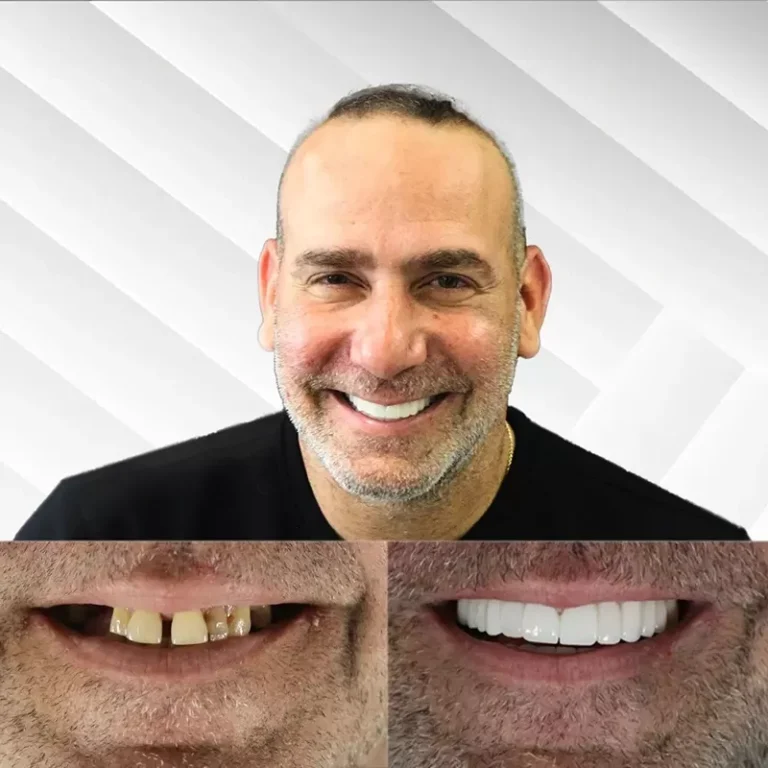
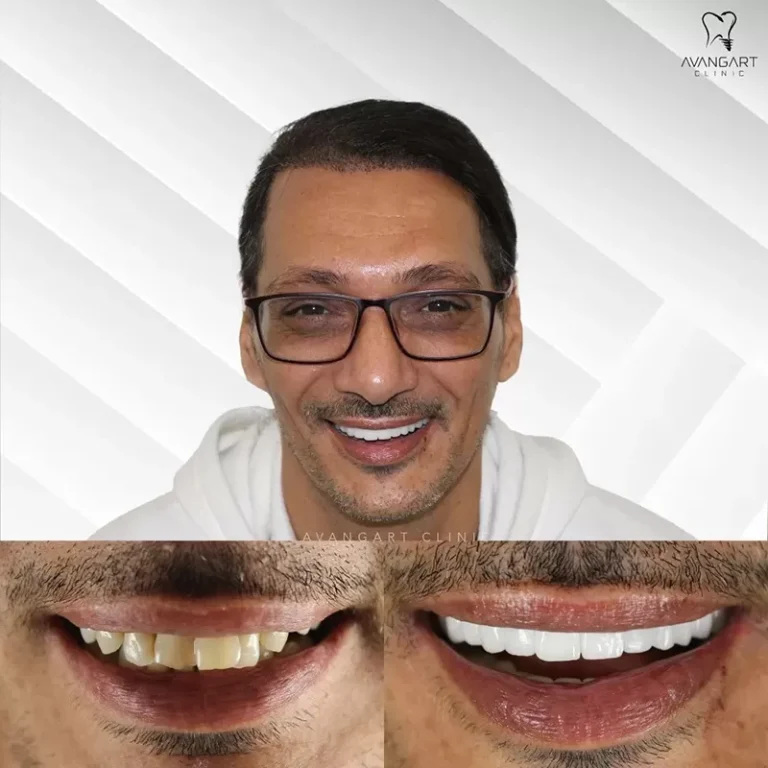
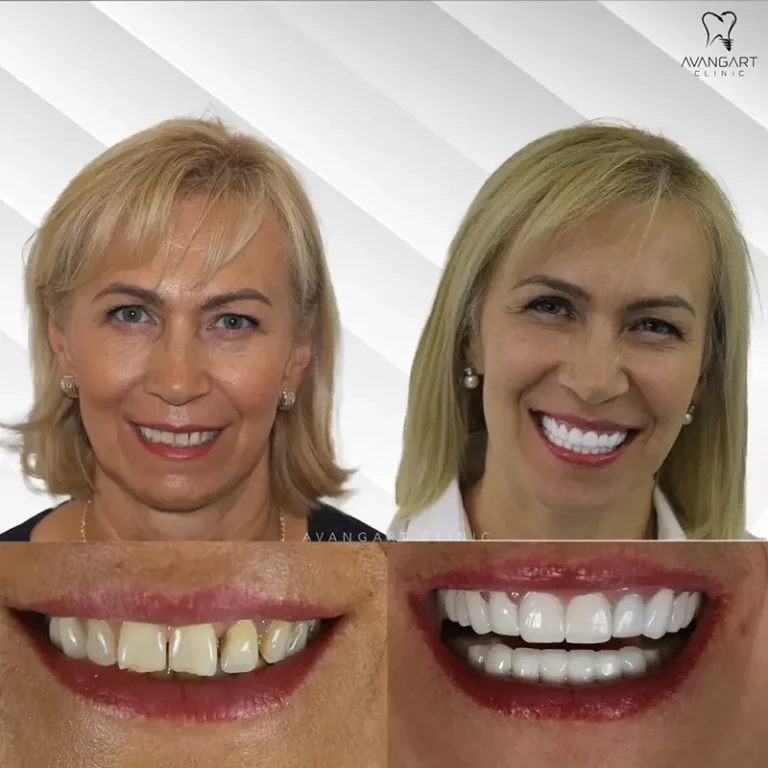
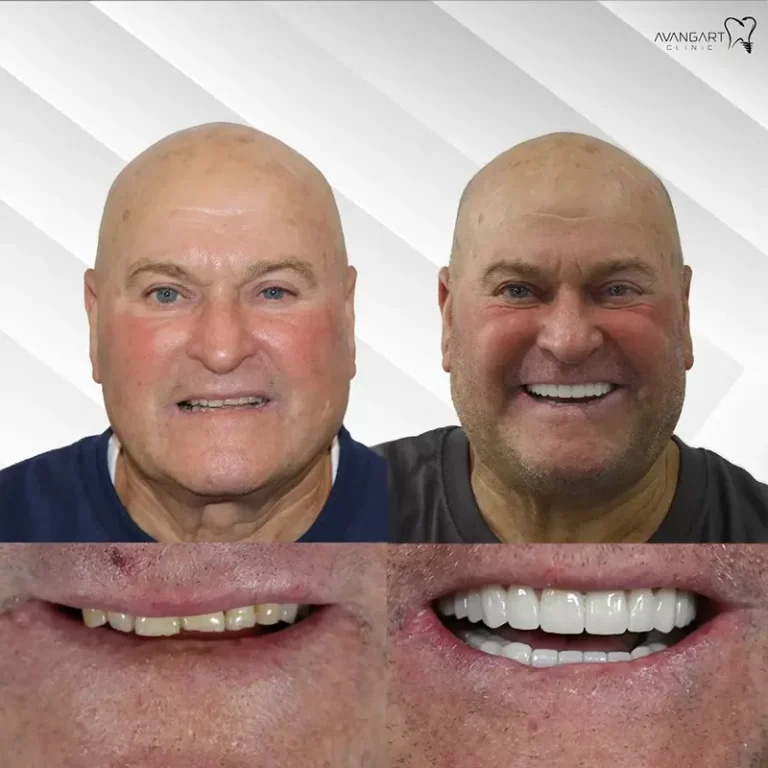
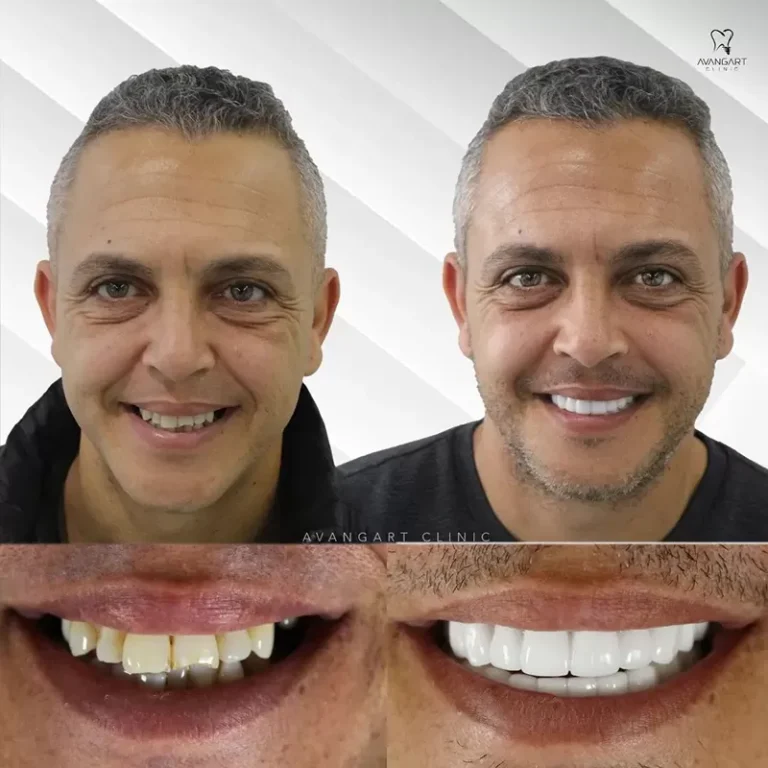
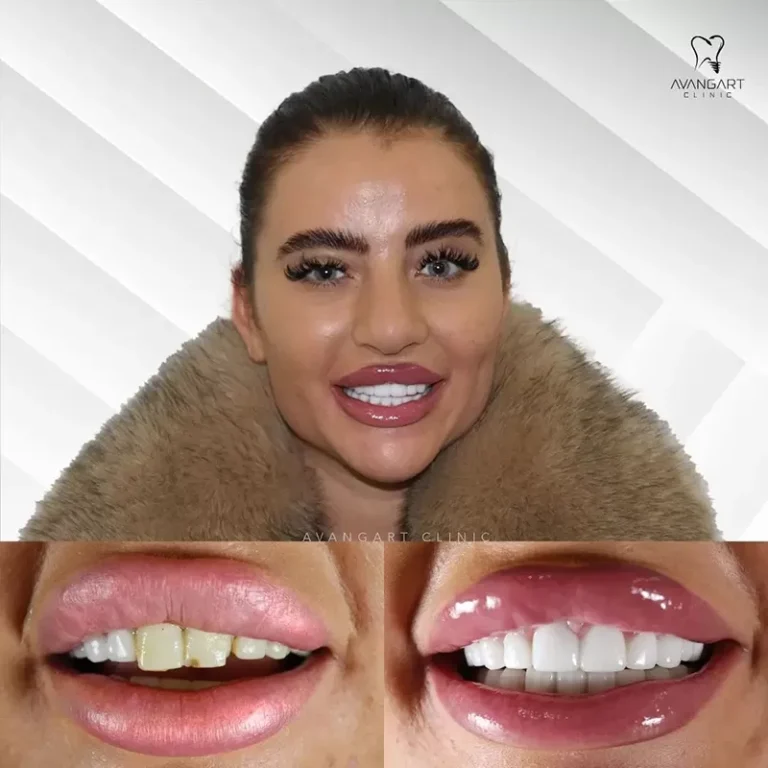
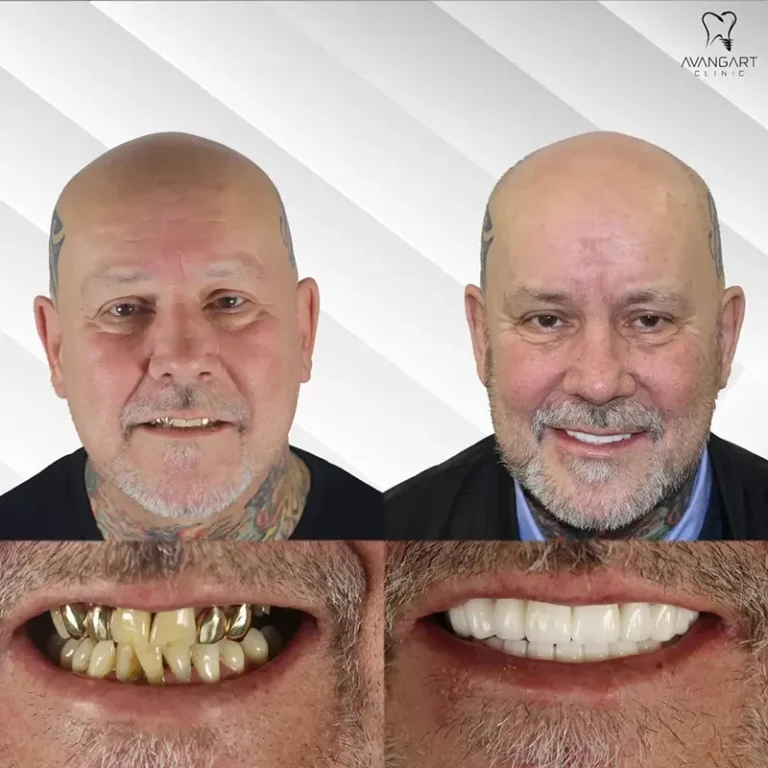
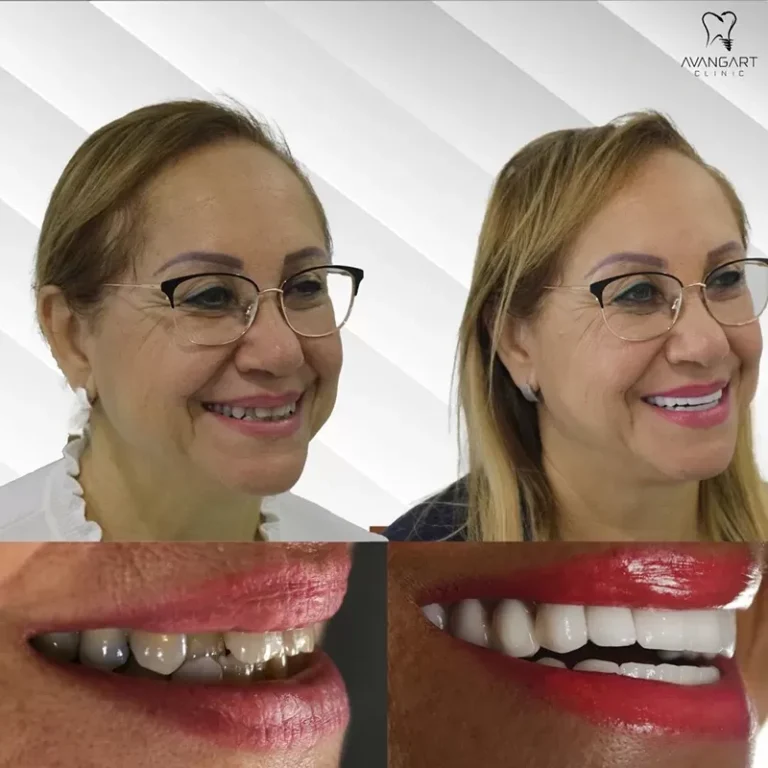
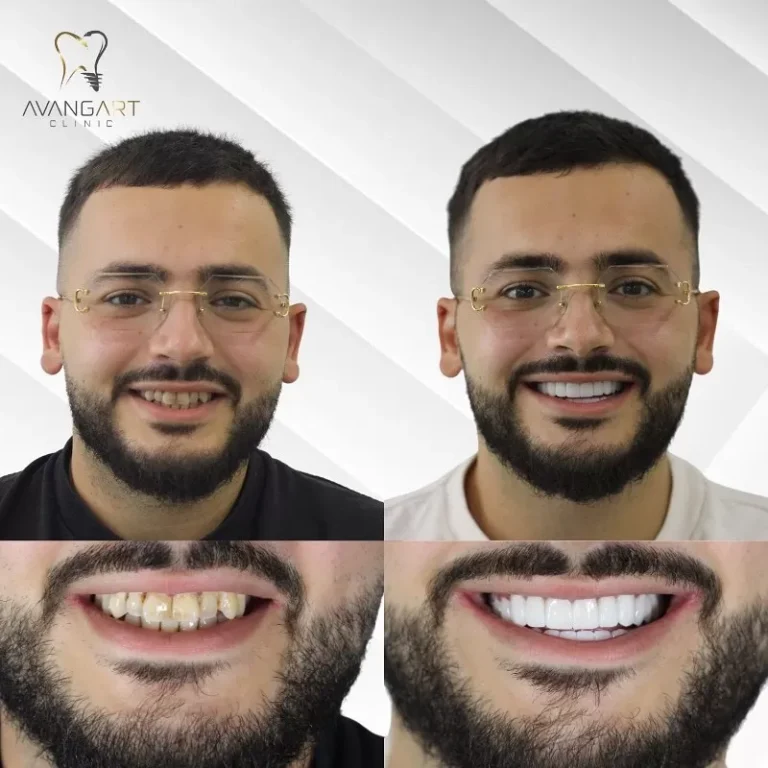
Before and After: Transformative Results with Avangart Clinic
We carry out all our dental treatments with care and strive to give your smile an elegant appearance.