
Sinus Lift Surgery in Turkey: When Do You Need It for Dental Implants?

Dr. Emrah YEŞİLYURT
Dr. Emrah Yeşilyurt is the Founder of Avangart Clinic. He combines advanced dental expertise with a genuine commitment to helping patients feel comfortable and informed about their oral health journey.
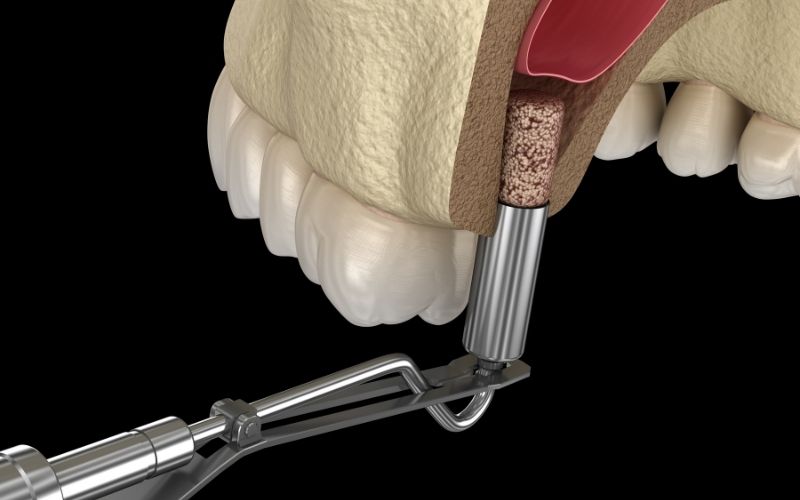
A sinus lift is an oral surgery procedure that raises the floor of the maxillary sinus and adds bone beneath it. It may be required when the back of the upper jaw does not contain enough bone to support a dental implant.
Not everyone considering sinus lifting surgery needs the procedure. The decision is based on the amount and quality of existing bone, sinus anatomy, gum health and the planned implant position.
If you are considering dental implants in Turkey, you can send recent dental scans and treatment records to Avangart Clinic for an initial review. A final diagnosis still requires an examination and appropriate imaging at the clinic.
Medical disclaimer: Online information and remote scan reviews cannot confirm whether you need sinus augmentation. Your final treatment plan must be based on a clinical examination, medical and dental history, and suitable diagnostic imaging.
Satisfied Patient Reviews
EXCELLENTTrustindex verifies that the original source of the review is Google. Service impeccable. Je suis venue pour des implants. La prise en charge a été rapide et la douleur pendant et après l’opération a été à peine ressentie. Clinique très professionnelle et chirurgien expert. Personnel très accueillant, en particulier la Directrice. Recommande à tous ceux qui sont à la recherche de professionnels pour régler des problèmes dentaires Suis venue finaliser la pose des implants et des couronnes. Résultat impécable!Posted on GoogleTrustindex verifies that the original source of the review is Google. I visited from England and had a positive experience. I went for a Hollywood Smile look and couldn’t be happier with them. The clinic was very aesthetic & clean, the staff were very attentive and supportive & I high recommend them.Posted on GoogleTrustindex verifies that the original source of the review is Google. İmplantlarımı ve zirkyonyumlarımı yaptırdım 2 sene önce iyiki yaptırmışım çok memnunum doktorum emrah hoca işinde çok iyi birisi tüm çalışanlara çok teşekkür ediyorum güler yüzlü anlayışları için gülşah hanıma ayriyetten teşekkür ederim 🌹Posted on GoogleTrustindex verifies that the original source of the review is Google. Çok güzel ve güveninirPosted on GoogleTrustindex verifies that the original source of the review is Google. Friendly and approachable staff, above all I haven’t experienced any pain what so ever, it does truly shows core professionalism. Coming from Wolverhampton, UK and made implant surgery with sinuslifting Gedi JafarPosted on GoogleTrustindex verifies that the original source of the review is Google. Ik Marco, hebt mijn gebit laten doen bij Avangart.. En ben door lieve mensen goed ontvangen en behandeld.. Kliniek zeer hygienisch en goede apparatuur.. Deze kliniek zo ik zeker aanraden om je laten behandelen..😁Posted on GoogleTrustindex verifies that the original source of the review is Google. I traveled from the U.S. and had Avantgart Clinic positively transform my smile in a manner that I wouldn’t have conceived as being possible. Dr. Egemen, a true master in his field, was patient, considerate, and communicative throughout the process and his assistant, Sevim, was a real joy to work with. Together, the two of them combined to make the overall experience much greater than I could have ever hoped for, and the end result is a smile that is on par with the most glamorous of Hollywood stars. I am extremely satisfied and would highly recommend Avangart Clinic to anyone looking to enhance their smile at a great price and of the highest quality.Posted on GoogleTrustindex verifies that the original source of the review is Google. Herkes mükemmel ıscılık mükemmel teşekkür edıyorumPosted on GoogleTrustindex verifies that the original source of the review is Google. Emrah bey‘in diş konusundaki tecrübesi, güler yüzü ve uzmanlığı nedeniyle diş tedavilerim için her seferinde Avusturya‘dan İstanbul’a gelmekteyim. Diş kliniği de son teknolojik donanıma sahip güven verici muayenehaneler içermekte.Posted on GoogleTrustindex verifies that the original source of the review is Google. Güler yüzlü ekip, temiz ve modern bir klinik. Tedavi sürecim baştan sona çok profesyoneldi. Gönül rahatlığıyla tavsiye ederim.Verified by TrustindexTrustindex verified badge is the Universal Symbol of Trust. Only the greatest companies can get the verified badge who has a review score above 4.5, based on customer reviews over the past 12 months. Read more
What Is a Sinus Lift and Why Is It Needed for Dental Implants?
Just above your upper back teeth are empty, air-filled spaces known as your maxillary sinuses. A very thin lining is all that separates these spaces from the jawbone that holds your teeth.
Sometimes, the bone between your mouth and this sinus space is simply too thin to securely hold a dental implant. A sinus lift solves this by gently raising that thin lining out of the way and adding new bone material underneath it, creating a deep, solid foundation for your new tooth.
As the area heals, new bone forms around the graft material. This can create a stronger site for future implant placement.
A sinus lift may form part of a wider bone graft for a dental implant plan. The graft may contain the patient’s own bone, processed donor material, bovine-derived material or a synthetic substitute.
The good news is that you might not even need a sinus lift to get an upper implant. Many patients naturally have enough bone to support the implant right away. In other cases, we might be able to use a shorter implant or adjust the placement angle to avoid the sinus entirely. We will always take a detailed 3D scan of your mouth and create a personalized plan to see exactly what you need before recommending any extra surgery.
Who Needs a Sinus Lift Before Dental Implants?
A sinus lift may be considered when there is insufficient vertical bone in the premolar or molar region of the upper jaw. This may happen after teeth have been missing for a long period.
Once a tooth is lost, the alveolar bone no longer receives normal stimulation from its root. Bone resorption can gradually reduce its height and width. At the same time, the maxillary sinus may expand towards the missing tooth area, leaving less space for an implant.
Other factors that may affect suitability include:
- Previous periodontal disease and related upper jaw bone loss
- Earlier extractions, infections or dental surgery
- The position and shape of the maxillary sinus
- The condition of the Schneiderian membrane
- Smoking and medical conditions that may affect healing
- The number, position and length of the planned implants
An upper molar implant does not automatically require sinus augmentation. If you are asking whether dental implants can be placed with bone loss, the answer depends on how much bone remains and whether it can provide primary stability.
Patients can share an existing panoramic X-ray or CBCT scan for a preliminary review before travelling. The plan remains provisional until the dentist examines the mouth and confirms the findings with suitable imaging.
How Is a Sinus Lift Assessed and Planned?
Planning begins with your medical history, dental history and a clinical examination. The dentist checks the gums, neighbouring teeth, bite and previous treatment in the proposed implant area.
A standard panoramic X-ray gives us a helpful initial overview of your mouth, but a 3D CBCT scan gives us a highly detailed view of your upper jaw. This 3D scan is essential because it helps us assess:
- Residual bone height and width
- Bone density around the proposed implant site
- The shape and position of the sinus floor
- Schneiderian membrane thickness
- Sinus septa or other anatomical features
- Signs that may require further dental or ENT assessment
Measuring the remaining bone is a central part of implant planning. In a 2026 multicentre study of sinus membrane perforation, each additional millimetre of residual bone height was associated with a 23.7% reduction in the odds of perforation.
The study included 113 patients and 126 lateral sinus lift sites. Its findings were exploratory and should not be turned into a universal treatment threshold. They support careful imaging and individual technique selection.
Open vs. Closed Sinus Lift: Which Technique Do You Need?
The Crestal Approach (Closed Sinus Lift)
With a closed sinus lift, the dentist works directly through the small opening where the new implant will go. Using specialized, delicate instruments, the sinus lining is carefully nudged upward to make room for the bone graft.
This technique is often less invasive than creating a window in the side of the jaw, which can mean an easier recovery. However, because it only allows for a small lift, it isn’t the right choice for every patient.
Simultaneous implant placement may be possible when the existing bone can hold the implant securely. Procedure length varies according to the number of sites, anatomy, and whether grafting and implant placement occur during the same appointment.
The Lateral Window Approach (Open Sinus Lift)
An open sinus lift involves creating a small window in the lateral wall of the posterior upper jaw. The clinician carefully elevates the sinus membrane and places graft material in the new space.
This external approach may be selected when the site requires a greater increase in bone volume. The implant may be placed during the same surgery or after the graft has matured.
Because the sinus lining is so delicate, there is a known risk of it tearing during this procedure. If a small tear happens, it can usually be repaired right there on the spot. However, if the tear is larger, the surgical plan may need to be adjusted or delayed to allow for proper healing. The safest approach will always depend on what the dentist sees during the surgery.
What Happens During Sinus Lift Surgery?
Before treatment, the clinician reviews the confirmed plan, consent information, medications, and relevant health conditions. Local anaesthesia is used to numb the surgical area. Patients who feel anxious may discuss available sedation options before treatment.
The exact steps depend on whether an open or closed approach is used.
The general pathway includes:
- Numbing the treatment area
- Accessing the bone beside or through the implant site
- Carefully elevating the sinus membrane
- Placing the selected graft material
- Placing an implant if adequate primary stability is possible
- Closing and protecting the surgical area
When it comes to the bone graft material, there are several options available. This can include bone from your own body, processed donor bone, animal-derived bone, or synthetic bone-like materials. To keep the new graft secure and help it heal properly, a small, dissolving protective patch (called a membrane) is often placed over the area.
The dental implant placement process continues after the surgical site has healed. Depending on the plan, the later stages may include connecting an abutment and fitting a dental crown or bridge.
Patients should not feel surgical pain after effective local anaesthesia, although pressure and movement may be noticeable. The duration varies, so the clinician should provide a case-specific estimate after reviewing the scan.
Can Dental Implants Be Placed at the Same Time as a Sinus Lift?
Yes, a dental implant can sometimes be placed during the same appointment as sinus augmentation. This is known as simultaneous implant placement.
The deciding factor is whether the remaining natural bone can provide enough primary stability. Initial stability keeps the implant secure while osseointegration takes place.
Understanding how dental implants stay in place helps explain why the decision cannot depend on convenience alone. An implant that cannot be stabilised may need delayed placement.
With staged treatment, the sinus graft is completed first. The patient then enters a bone regeneration period before another scan confirms whether the site is ready for an implant.
Sinus Lift Recovery: Healing Time, Diet and Aftercare
Swelling, tenderness, mild bruising and a feeling of pressure or fullness around the sinus can occur after surgery. Light bleeding may also happen during the early recovery period.
Choose soft foods that require little chewing and avoid placing pressure on the surgical side. Your clinician will explain when you can return to a normal diet based on the procedure and how the area is healing.
Post-operative instructions may cover:
- Mouth cleaning around the surgical site
- Prescribed medication and pain relief
- Exercise, lifting and bending
- Nose blowing and sneezing precautions
- Smoking and alcohol
- Follow-up appointments
Feeling comfortable again does not mean that the bone graft has fully matured. Soft tissue can settle well before bone integration is complete. Bone graft healing may take several months, especially when substantial augmentation is required.
Your surgeon should decide when exercise and normal activities can resume. Recovery advice should reflect the procedure performed rather than a universal timetable copied from another patient.
Crucial Warning: Flying After Sinus Lift Surgery
Changes in cabin pressure may affect a recently treated sinus. The appropriate time to fly depends on the surgical approach, membrane condition, swelling, and whether any complication occurred.
There is no strict, universal timeline for flying after this procedure, as every patient heals at their own pace. For your safety, please talk to us before purchasing non-changeable travel tickets. We will carefully check your progress during your post-operative appointment before clearing you for your flight home.
Avoid forceful nose blowing during early healing. If you need to sneeze, follow the technique advised by your surgeon and contact the clinic if you notice new bleeding, fluid movement, unusual pain, or concern around the grafted site.
What Are the Risks and Possible Complications of Sinus Lift Surgery?
Sinus augmentation is an established surgical procedure, but no operation is free from possible complications. Temporary swelling, soreness, bruising, congestion, and minor bleeding are more common than serious problems.
Possible complications include:
- Sinus membrane perforation
- Infection at the surgical site
- Sinusitis or persistent sinus symptoms
- Wound opening or graft exposure
- Partial bone graft failure
- Excessive or prolonged bleeding
- Failure to create enough bone for the planned implant
- Implant instability or later dental implant failure
A perforated Schneiderian membrane does not automatically mean the whole treatment has failed. The clinician may repair it, modify the procedure or delay grafting, depending on its size and location.
Although complications are possible, clinical research has reported favourable outcomes in selected patients. A 2023 retrospective study of maxillary sinus augmentation involving 472 lateral window grafts and 757 implants reported graft success of 98.3% and implant success of 97.2%.
Follow-up in that study ranged from three months to 13 years. These figures describe one retrospective dataset and cannot predict an individual patient’s outcome or Avangart Clinic’s results.
Assessment, surgical planning, and follow-up all influence the treatment pathway. Patients should disclose their medications, smoking habits, sinus conditions, and medical history before surgery.
When Should You Contact Your Dentist After a Sinus Lift?
Some discomfort and swelling can be expected, particularly during early recovery. Contact your treating clinic when symptoms become worse rather than gradually improving.
Seek professional advice if you develop:
- Persistent or significant bleeding
- Fever or signs of infection
- Increasing facial pain or swelling
- Pus or an unusual taste or discharge
- New or worsening sinus symptoms
- Movement or exposure around the grafted area
- Any symptom that feels severe or concerning
Urgent symptoms may require immediate local medical or dental care rather than waiting for a remote reply. International patients should keep their treatment records and the clinic’s aftercare contact details available after returning home.
Are There Alternatives to a Sinus Lift?
Some patients can receive dental implants without sinus augmentation. Possible options include short implants, alternative implant positioning, or carefully angled implants. However, even with these alternatives, factors like implant position, crown height, and bite forces must be carefully evaluated by our team to ensure long-term success.
Other alternatives may include:
- A fixed dental bridge supported by neighbouring teeth
- A removable partial denture
- A different full arch implant configuration
- Zygomatic implants (instead of bone graft) in selected cases of severe upper jaw bone loss
- Choosing not to replace the tooth when clinically acceptable
Our guide to the top alternatives to dental implants explains the non-implant options in more detail. Complex alternatives still require specialist assessment and may involve different limitations.
Dental Tourism Timeline: How Long Should You Stay in Istanbul for a Sinus Lift and Dental Implants?
International patients should separate the surgical visit from the complete restorative timeline. A sinus lift, implant placement, and final crown cannot always be completed during one short trip.
The journey may include:
- Sending recent scans, photographs and dental records for a remote review
- Arriving in Istanbul for examination and CBCT imaging
- Confirming the final surgical plan and cost
- Undergoing sinus augmentation, with or without implant placement
- Attending a post-operative check before travelling
- Healing at home while staying in contact with the clinic
- Returning for implant placement or the final restoration when required
A patient receiving simultaneous implant placement may need one surgical trip followed by a later restorative visit. Delayed or two-stage placement can require an additional visit after graft maturation.
The answer to how many visits are needed for dental implants in Turkey therefore depends on the scan findings and planned restoration. Full mouth rehabilitation can also follow a different schedule from a single upper molar implant.
Do not book return travel solely around a package advertisement. Confirm the likely stay time, follow-up appointment and flight clearance with the treating clinician.
What Should International Patients Check Before Booking Sinus Lift Treatment in Turkey?
Ask who will assess the scan, who will perform the surgery, and what qualifications they hold. The proposed clinic should also explain its implant system, graft material, and process for handling concerns after you return home.
Use our guide covering key questions to ask before dental implant treatment abroad before paying a deposit. Request written answers where possible.
Patients should also:
- Confirm that CBCT imaging and clinical examination are included
- Ask whether the implant and graft are included in the quoted price
- Request an itemised treatment plan
- Check how many visits may be required
- Ask who provides emergency and post-treatment support
- Review the consent process and possible alternatives
You can also independently verify a Turkish dental clinic through the relevant Ministry of Health records. The dentist’s professional registration should also be checked through the Turkish Dental Association.
How Much Does a Sinus Lift Cost in Turkey vs. the UK and USA?
The cost varies according to the open or closed technique, graft volume, graft material, number of sides treated, and whether implants are placed at the same appointment. Imaging, medication, sedation, and follow-up may be included or charged separately.
The current price for a sinus lift is £650 (August 2026). This serves as a baseline estimate; we provide your final, guaranteed quote once we have assessed your specific case.
A fair UK or US comparison must use current itemised quotes from individual providers. There is no single private fee that applies throughout either country, and one quote may include graft material, imaging or an implant while another covers surgery alone.
When comparing Turkey vs UK dental implants, check:
- Whether the price is per side or for both sides
- The type and quantity of graft material
- Whether the implant, abutment and crown are separate
- CBCT and consultation charges
- Medication and follow-up
- Accommodation and travel expenses
- The cost of any later visit
Patients should receive a final written quote after examination and imaging. A low headline price has little value if essential parts of treatment appear later as unexpected additions.
Why Choose Avangart Clinic for Sinus Lift Surgery in Turkey?
Avangart Oral and Dental Health Polyclinic operates in Mecidiyeköy, Şişli, Istanbul. We are fully authorised for international health tourism under the relevant Turkish Ministry of Health requirements.
Our facility includes ten treatment rooms and uses 3D tomography for jaw and implant assessment. Patients can review our dentist profiles before confirming treatment.
The treatment pathway begins with a review of available X-rays, dental photographs, and relevant records. After arrival, an examination and CBCT scan confirm whether sinus augmentation is needed and whether simultaneous implant placement is appropriate.
Our support doesn’t end when you leave Istanbul. We help coordinate your treatment before you arrive and stay in close contact with you after you fly home. If you experience any issues once you’re back, please reach out to our team right away. Of course, if you ever develop severe symptoms that cannot safely wait, please immediately seek urgent medical care locally.
After your consultation, we’ll give you a detailed, written treatment plan based on your specific needs. It will clearly outline the surgical technique we propose, the graft material we’ll use, the timeline for your implants, your expected visits, and a fully itemised cost breakdown. While no surgical outcome can ever be 100% guaranteed, this plan ensures you know exactly what to expect every step of the way.
Frequently Asked Questions
The procedure is normally performed under local anaesthesia, so you should not feel surgical pain once the area is fully numb. Pressure or movement may still be noticeable.
Sneezing or forceful nose blowing can increase pressure around the healing sinus. Follow your surgeon’s specific instructions and avoid suppressing a sneeze in a way that creates additional pressure.
Contact the clinic if sneezing or nose blowing causes fresh bleeding, unusual fluid movement, increasing pain, or concern about the surgical site.
Soft tissue recovery and bone graft maturation follow different timelines. You may feel better before the grafted bone is ready to support the next treatment stage.
Bone maturation often takes several months. The healing time for a sinus lift depends on the technique, the amount of graft, your general health and if an implant was placed at the same time.
Yes, some patients can receive implants without sinus augmentation. They may have enough natural bone or be suitable for shorter implants, alternative positioning, or another restorative approach.
The decision requires clinical examination and three-dimensional imaging. An online photograph cannot show residual bone height or sinus anatomy accurately.
Yes, traveling for a sinus lift is safe when you choose a qualified clinician who follows strict assessment and planning protocols. Quality of care is determined by the expertise of the dentist and the clinic, not the country.
There is no suitable universal waiting period for every patient. Flight timing depends on the technique, membrane condition, recovery, and the treating clinician’s assessment.
Discuss air travel before purchasing non-changeable tickets. Obtain clearance at your follow-up appointment before flying home.
Book a Sinus Lift and Dental Implant Assessment in Istanbul
The first step is an individual assessment to determine whether you need sinus augmentation at all. It can also establish which technique may suit your anatomy and whether implant placement should be simultaneous or delayed.
Send us your recent dental X-rays or CBCT scan, clear mouth photographs, and a short dental history. Include any previous implant, extraction, grafting or sinus treatment records.
After reviewing the available information, we can explain the likely treatment pathway and provide an initial estimate. We will then confirm your final, personalized treatment plan and exact itemised cost once we complete your in-person examination and 3D scan here in Istanbul.
To request a sinus lift and dental implant assessment, or to discuss your records and travel dates, reach out to our patient coordination team at +90 542 146 82 11.
Before and After: Transformative Results with Avangart Clinic
We carry out all our dental treatments with care and strive to give your smile an elegant appearance.