
How Does Professional Teeth Whitening Work?

Dr. Emrah YEŞİLYURT
Dr. Emrah Yeşilyurt is the Founder of Avangart Clinic. He combines advanced dental expertise with a genuine commitment to helping patients feel comfortable and informed about their oral health journey.
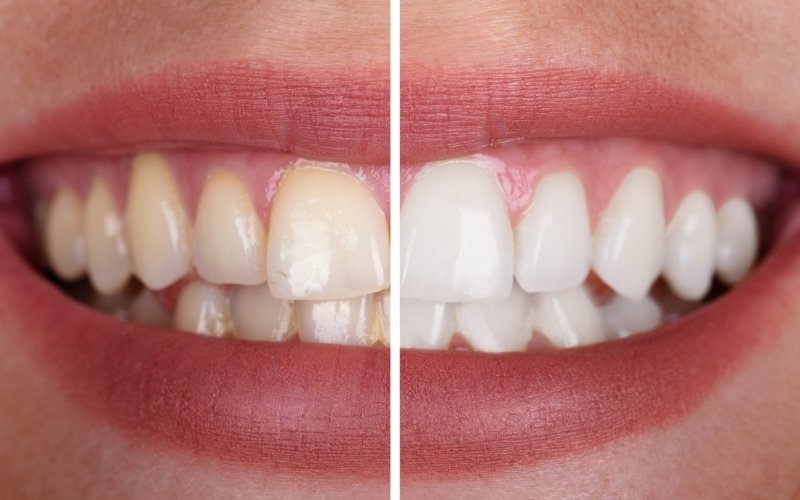
The Science Behind Teeth Whitening
The science behind teeth whitening involves using peroxide-based agents, like hydrogen peroxide or carbamide peroxide, to break down stain molecules within tooth enamel.
These chemicals release oxygen molecules that penetrate the tooth’s surface through a process called oxidation, which breaks the chemical bonds of the discolored compounds. While some products also use mild abrasives to remove surface stains, true whitening of the deeper, intrinsic stains is achieved through this chemical oxidation process.
The Science Behind Teeth Whitening: How It Works and What to Expect
A bright smile isn’t magic; it’s science. Over time, tea, coffee, red wine, and simple ageing leave pigments in and on enamel, dulling your teeth’s natural colour. Whitening removes those stains so teeth look lighter and fresher without any change to their shape.
There are different routes to a whiter smile: in-clinic treatments with a dentist, over-the-counter strips or gels, and tailored at-home kits. Each option uses similar chemistry but differs in speed, cost, and sensitivity, so it’s important to know what works best for your mouth and timetable.
In this guide, we’ll explain how teeth whitening works and establish clear expectations for comfort, timeliness, and maintenance. Whether you’re comparing local care or seeing buzz around teeth whitening turkey, here’s the evidence-based starting point you need.
Main Causes of Tooth Discoloration and Stains
Tooth colour isn’t just about brushing; genetics sets your baseline shade, so some people simply start whiter. Everyday habits add layers of stain: smoking, dark foods, and drinks like coffee, tea, red wine, and fizzy drinks gradually dull enamel.
Ageing changes teeth, while certain medicines (for example, tetracycline) and tooth trauma can darken one or more teeth from within. If you’re considering teeth whiteners that work, knowing the cause helps you choose the right approach and manage expectations.
Is Professional Teeth Whitening Safe and Effective?
A professional whitening done by a dentist is generally safe and effective when used as directed. Stronger, carefully applied peroxide gels can brighten the colour by several shades—often in a single appointment—while take-home trays and strips work more gradually.
Curious about how do teeth whiteners work? Peroxide (hydrogen or carbamide) breaks the chemical bonds in stain molecules, making the colour look lighter. This targets natural tooth structure; it won’t change crowns, veneers, or dentures.
Side effects are usually short-lived: temporary sensitivity and mild gum irritation. If you experience unbearable pain after teeth whitening, stop and contact your dentist—severe discomfort isn’t typical.
To be safe, seek dentist-supervised care or products with professional endorsement, adhere to the time and frequency instructions, and avoid DIY hacks such as household hydrogen peroxide or abrasive powders. Good hygiene and regular cleaning help your new shade last longer.
Possible Side Effects: Tooth Sensitivity and Gum Irritation
Sensitivity and gum irritation are the most common side effects of teeth whitening. They’re typically mild and ease within a few days once you pause treatment. A desensitising toothpaste or potassium-nitrate gel, plus fluoride from your dentist, can help calm things down.
To minimise flare-ups, use snug trays, avoid overfilling, and opt for shorter wear times or choose lower strength whitening solutions. Stop and seek advice if pain is sharp or lingers. Whitening doesn’t change restorations; there is no teeth whitening for veneers and teeth whitening on crowns; consider polishing or replacement.
How Long Can You Expect Teeth Whitening Results to Last?
Whitening results are typically stable and can last many months, but everyday habits like tea, coffee, red wine, and smoking gradually dull the shade. That’s expected; most people book occasional top-ups, which are safe with dentist-approved gels.
Keep your bright colour longer with good brushing, flossing, and routine cleans. If you’re concerned about bad teeth whitening results, agree on a realistic maintenance plan with your dentist and avoid staining foods or drinks for a few days right after treatment.
Who Is a Suitable Candidate for Teeth Whitening?
Most people are good candidates for whitening. It tackles discolouration from foods and drinks, smoking, ageing, certain medicines, and even past tooth injuries. Anyone from teens to people in their nineties can be suitable, provided a dentist checks gum and tooth health first.
If you wear braces or clear aligners, you are still a suitable candidate: prefilled trays can sit over brackets, and lower-strength gels pair well with aligners. Your dentist will tailor the plan—and if you’re comparing in-clinic treatments, weigh the treatment time, sensitivity risk, and Zoom whitening cost.
Pro Tips for Getting the Best Teeth Whitening Results
- See your dentist first to confirm your teeth and gums are healthy, and to identify the cause of discolouration. The plan works better when the starting point is clear.
- Choose proven products with professional endorsement and read the leaflet carefully. Following the exact timings and frequency protects results and enamel.
- Fit matters for trays and strips. To reduce irritation, keep trays snug, don’t overfill them, and wipe away excess gel from your gums.
- Start gently if you’re prone to sensitivity. Use lower strengths or shorter wear times and add a desensitising toothpaste or fluoride gel.
- Watch your diet right after sessions. Skip tea, coffee, red wine, and curry for 24 to 48 hours and rinse with water after meals.
- Be consistent rather than intense. Regular, shorter sessions beat longer sessions and stacking treatments back to back.
- Lock in the shade with daily brushing and flossing and routine cleans. Plan safe top-ups with your dentist instead of endless bleaching.
Why Opalescence Stands Out as a Leading Professional Whitening Brand
Opalescence has been the leader in professional teeth whitening since 1990, and its results are known all over the world for being consistent and reliable. Its edge comes from smart chemistry and practical design, not gimmicks. Patients get choice without compromise.
A hallmark is the brand’s viscous gel. It stays where you place it, reducing runoff to gums and delivering even contact with enamel, which is a small detail that makes a big difference in comfort and shade.
Opalescence PF suits custom trays and even clear aligners. Multiple concentrations and flavours allow precise pacing, while added potassium nitrate and fluoride help curb sensitivity without increasing gum irritation.
For busy schedules, Opalescence Go offers prefilled, disposable trays. No impressions, no fuss, and it can be worn over fixed braces—useful for teens and anyone in active orthodontic treatment.
When speed matters, Opalescence Boost is the in-clinic option. A high-concentration formula, applied by a dentist, delivers visible change in roughly an hour with careful soft-tissue control.
Targeting single dark teeth after root-canal therapy, Opalescence Endo enables the “walking bleach” technique. It restores harmony to a smile where one non-vital tooth draws the eye.
Choice of carbamide peroxide or hydrogen peroxide lets dentists match lifestyle and risk. CP releases more slowly for overnight or gentler wear; HP acts faster for shorter sessions.
Formulas carry a high water content (around 20%), which helps limit dehydration and shade rebound. They’re flavoured, gluten-free, vegan, kosher, and some are sweetened with xylitol—practical touches patients notice.
Put simply, Opalescence pairs depth of range with thoughtful science, so more people can whiten safely, comfortably, and on their own terms.
Do Whitening Lights Really Improve Results?
The short answer is that lights rarely add meaningful whitening. Most evidence shows peroxide gels do the work by breaking apart stain molecules; bright lamps can create a fleeting “wow” by drying the teeth (they look whiter when dehydrated), then the shade softens once rehydrated. However, heat and intense light may also irritate gums and lips.
If you’re wondering does teeth bleaching work, yes—when the gel is well formulated, stays where it’s supposed to, and is used for the right amount of time. Shade change comes from chemistry, not the lighting. If a clinic suggests a lamp, ask what extra benefit it brings beyond a quality, light-free system.
Satisfied Patient Reviews
EXCELLENTTrustindex verifies that the original source of the review is Google. Service impeccable. Je suis venue pour des implants. La prise en charge a été rapide et la douleur pendant et après l’opération a été à peine ressentie. Clinique très professionnelle et chirurgien expert. Personnel très accueillant, en particulier la Directrice. Recommande à tous ceux qui sont à la recherche de professionnels pour régler des problèmes dentaires Suis venue finaliser la pose des implants et des couronnes. Résultat impécable!Posted on GoogleTrustindex verifies that the original source of the review is Google. I visited from England and had a positive experience. I went for a Hollywood Smile look and couldn’t be happier with them. The clinic was very aesthetic & clean, the staff were very attentive and supportive & I high recommend them.Posted on GoogleTrustindex verifies that the original source of the review is Google. İmplantlarımı ve zirkyonyumlarımı yaptırdım 2 sene önce iyiki yaptırmışım çok memnunum doktorum emrah hoca işinde çok iyi birisi tüm çalışanlara çok teşekkür ediyorum güler yüzlü anlayışları için gülşah hanıma ayriyetten teşekkür ederim 🌹Posted on GoogleTrustindex verifies that the original source of the review is Google. Çok güzel ve güveninirPosted on GoogleTrustindex verifies that the original source of the review is Google. Friendly and approachable staff, above all I haven’t experienced any pain what so ever, it does truly shows core professionalism. Coming from Wolverhampton, UK and made implant surgery with sinuslifting Gedi JafarPosted on GoogleTrustindex verifies that the original source of the review is Google. Ik Marco, hebt mijn gebit laten doen bij Avangart.. En ben door lieve mensen goed ontvangen en behandeld.. Kliniek zeer hygienisch en goede apparatuur.. Deze kliniek zo ik zeker aanraden om je laten behandelen..😁Posted on GoogleTrustindex verifies that the original source of the review is Google. I traveled from the U.S. and had Avantgart Clinic positively transform my smile in a manner that I wouldn’t have conceived as being possible. Dr. Egemen, a true master in his field, was patient, considerate, and communicative throughout the process and his assistant, Sevim, was a real joy to work with. Together, the two of them combined to make the overall experience much greater than I could have ever hoped for, and the end result is a smile that is on par with the most glamorous of Hollywood stars. I am extremely satisfied and would highly recommend Avangart Clinic to anyone looking to enhance their smile at a great price and of the highest quality.Posted on GoogleTrustindex verifies that the original source of the review is Google. Herkes mükemmel ıscılık mükemmel teşekkür edıyorumPosted on GoogleTrustindex verifies that the original source of the review is Google. Emrah bey‘in diş konusundaki tecrübesi, güler yüzü ve uzmanlığı nedeniyle diş tedavilerim için her seferinde Avusturya‘dan İstanbul’a gelmekteyim. Diş kliniği de son teknolojik donanıma sahip güven verici muayenehaneler içermekte.Posted on GoogleTrustindex verifies that the original source of the review is Google. Güler yüzlü ekip, temiz ve modern bir klinik. Tedavi sürecim baştan sona çok profesyoneldi. Gönül rahatlığıyla tavsiye ederim.Verified by TrustindexTrustindex verified badge is the Universal Symbol of Trust. Only the greatest companies can get the verified badge who has a review score above 4.5, based on customer reviews over the past 12 months. Read more
Before and After: Transformative Results with Avangart Clinic
We carry out all our dental treatments with care and strive to give your smile an elegant appearance.